
Find a specialist who can help you
Your dog isn't being spiteful about you leaving him alone. Your dog is TERRIFIED! You can relieve his suffering.Why do you not punish a dog with separation anxiety?
Because the “bad” behaviours you see are your dog’s SOS calls for help to relieve her suffering.

Separation anxiety is a traumatic and distressing condition. It causes dogs to panic when they’re left alone. They may bark or howl for hours, creating friction with your neighbours. They may destroy furniture, chew through doors, or even hurt themselves trying to escape, creating stress and heartbreak for you as you watch your dog suffer.
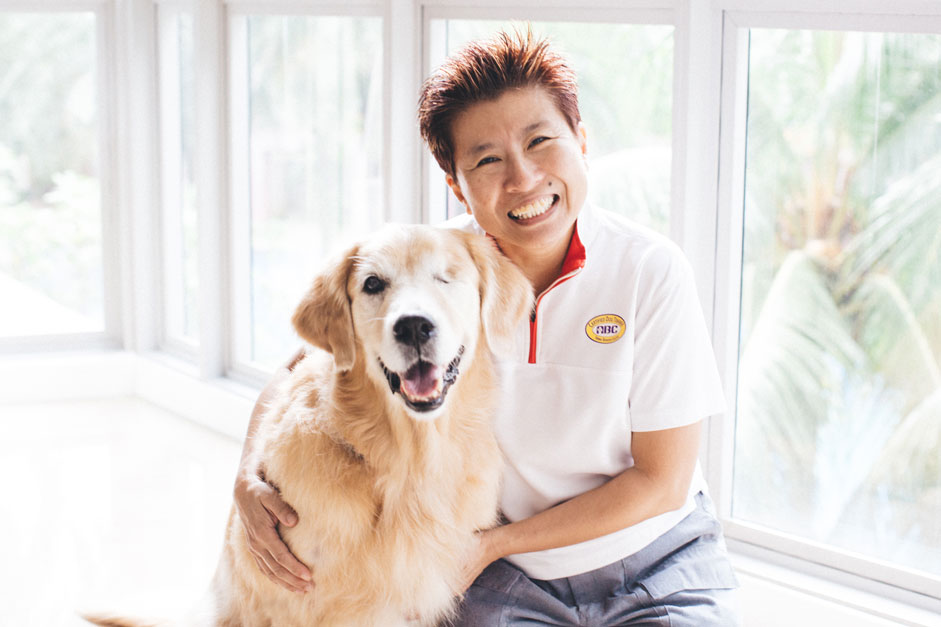
Please note: Dr Kang Nee has retired from active consulting and training and is no longer accepting clients. This page is preserved as an archival case study to help pet parents understand science-based, compassionate separation anxiety protocols.
Separation anxiety is treatable. As a Certified Separation Anxiety Trainer (CSAT) through the Malena DeMartini programme, Dr Kang Nee specialised in helping dogs who experience panic when left alone. Separation anxiety requires structured, highly individualised, and strictly desensitisation-based protocols, rather than quick fixes or punishment.
In her active practice, Dr Kang Nee worked closely with families navigating the emotional toll of separation anxiety, guiding them through systematic desensitisation.
* The Challenge: Dogs experiencing separation anxiety often show distress – such as vocalising, pacing or destructive behaviour – when they are home alone.
* The Approach: Utilising a methodical, data-driven, departure protocol, pet parents learn how to keep dogs under their stress thresholds, slowly building up duration and changing emotional responses to absence triggers.
* The Outcome: Through patience, consistency and science-based training, dogs learned to feel safe and calm while alone, restoring peace of mind to their guardians.
While active coaching and customised desensitisation plans are no longer available, the foundational philosophy of these programmes emphasised:
* Zero Threshold Breaches: Ensuring the dog is never pushed into panic or left to “cry it out”, as flooding worsens anxiety.
* Systematic Desensitisation: Breaking down absences into micro-steps that the dog can handle without stress.
* Compassionate Guidance: Supporting pet parents through a challenging journey with empathy and scientific rigor.
We invite you to explore our archive of free resources to for more guidance on force-free animal care and behaviour support!
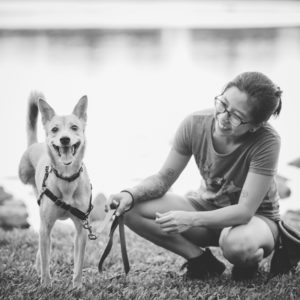
It is odd to recall life before separation anxiety. The training programme was straightforward on paper, but consumed life so swiftly and in such unexpected ways, it felt like I was suddenly plunged into a different life. The first year was filled with a sense of entrapment in my own home, cancelled appointments, shirked obligations and perpetual juggling of dog-sitting schedules. Without exaggeration, the one thing that made it possible was the humbling extent of generosity, support and encouragement I received, for which I am truly thankful.
On occasion I was asked if all this was worth it, and it was a surprisingly easy answer when I imagined the life of a dog with separation anxiety: imagine your worst phobia, your absolute worst, one you would jump through a glass window or tear down a door to escape from, one that could make you scream for hours or throw up in fear, and then imagine facing it for ten hours daily. It is hard to compare any of my inconveniences to that. It has been a rough road, but I got a chance to return a fraction of the love and loyalty that Princess shows me all day, every single day.
Update: Since this post, Yvonne and Princess have graduated from our separation anxiety training programme. Princess is now comfortable being home alone – YAY!
Other Resources:
Malena DeMartini-Price CTC: Separation Anxiety in Dogs: Next Generation Treatment Protocols and Practices
Understanding Separation Anxiety
Malena DeMartini: Avoiding Separation Anxiety When You Go Back to Work: Start Now!
Malena DeMartini: Dog Separation Anxiety Medication
Malena DeMartini: The Separation Anxiety Top 10 List
Malena DeMartini: Preventing Separation Anxiety
Casey McGee: Two Truths and a Lie
Lisa Manolius: Train Smarter, Train Better, Together with a Trainer
Shelly Keel: It Takes a Village
Tiffany Lovell: When it Comes to Crates, Think Outside the Box
Shoshi Parks: What’s the Difference Between Sneakers and High Heels? Ask Your Dog
Meghann Riepenhoff: Reasons to Celebrate: Oso’s Separation Anxiety Journey
Nee Kang: Learning to Conquer Fear. In The Pet Professional Guild’s “Barks from the Guild”, March 2017